For the last four days, I’ve spent time helping out at a property course for new investors. Now back home, I just walked Jerry Lee and was contemplating the events of the weekend.
Me and Jerry Lee do a lot of contemplation in our favourite park.
He never says much though, but he’s a good listener!
Just recently, I’ve been a little bit apathetic about networking with other people. Sometimes you’re just giving, giving, giving – and it gets to a point where you feel people are just taking, taking and taking.
Now I’m not saying you should do things in expectation of something in return – but when feels one-way or one-sided constantly, you do start to get a bit fed up and a bit jaded.
Certain folks have obviously not heard of reciprocity!
RECIPROCITYYYYYYYY!!
Mama Morton in Chicago:
“When you’re good to Mama, Mama’s good to you!”
Sadly, some people are just out to take advantage and get what they can out of you.
In fact, one of my most-hated phrases has become “Can I just pick your brains…?”
Which I have now come to translate as “Can I take up loads of your time for free, ask you many questions about your property knowledge, which you’ve paid thousands of pounds to go and learn, so that I can go do it for myself with minimum effort and cost, before thanklessly forgetting you ever helped me?”
Luckily, I’ve managed to spot the selfish piss-takers from the genuine people who just need a little nudge in the right direction.
And this is where it gets interesting.
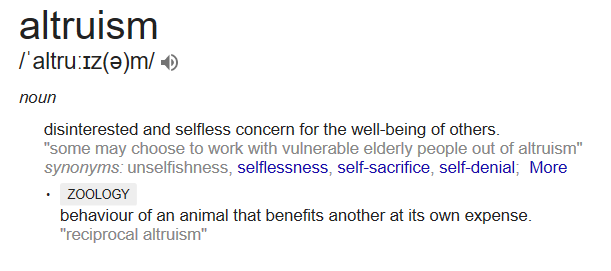
Altruism is vastly underrated.
There’s something really special about helping someone else without wanting anything back in return – just the pure joy of knowing your guidance has helped them.
I love it best when their eyes light up and they start smiling – because you know a lightbulb moment has occurred for them, and you’ve said or done something which will genuinely improve their life.
And as this happened many times over the last few days, I felt my own little glimmer of light reignite inside.
Like I actually made a difference.
For those of you who don’t know, I used to be a high school teacher – and it was like that special moment in the classroom when you help a kid understand something on his worksheet, and his face grins and he says “Aww fanx Miss, I gerrit now!!”
And you float off feeling like some omniscient godlike genius. 😁😁😁
So from teaching schoolchildren, to working with my Air Cadets, to networking and giving referrals to other business and property contacts… I just like helping people, for the nice feeling it gives me inside.
😁
Although helping other takes your time, effort and enthusiasm – why not try it, just for that one pleasant beneficial feeling you’ll get.
…and Ten Things I’ve learned about being a Landlord in the that time!
Somehow, somewhere, a full decade has passed since I first rented out a property!
In late 2008, I moved into a house, and kept my little cheap cheerful flat I’d lived in since 2001.
I rented it out to a nice single older chappy who kept it superbly tidy – and realised pretty quickly: “This is great! The mortgage is getting paid and I’m making some money on top of that as well!
It would be a few more years though until I started building my portfolio properly – shame it wasn’t ten years earlier!
Nevertheless, I’ve been reflecting on the things I learned about being a landlord over the last ten years, and thought I would share my thoughts so they help other new landlords.
So here goes!
TENANTS ON BENEFITS AND YOUR GUT INSTINCT
Just because a tenant is on benefits it doesn’t make them a bad choice. If someone is a wretch, it is because they are a wretch, not because they are on benefits. I have a couple of benefits families and they are great, and I’m glad I didn’t rule them out.
However, if your gut instinct tells you a potential tenant is a wretch, your gut instinct is right.
In ten years, I have only rented to two different people that turned out badly – and I had a bad feeling about both them as soon as I met them.
Still, I didn’t listen to my gut, decided to give them a chance in my multi-let property – and both times, they caused me problems, chaos and lost rent. But luckily, they were short-lived and ejected reasonably swiftly after a bit of fuss.
And my gut instinct said afterwards; “Ha! I told you so! Should’ve listened!”
NOBODY CARES ABOUT YOUR PROPERTY AS MUCH AS YOU
Not even letting agents – they’re not worried if you’re losing money because it’s not their house and it’s not their money!
Items that have previously annoyed me about letting agents include:
– Ripping me off for organising basic repairs. £100 for a gas safety certificate? Ahahahahahahah!!! Nah, you’re alright love, I’ll book a guy mysen!
– Charging me hundreds of pounds for what is effectively a ten-minute job reprinting paperwork
– Not informing me about issues with the property (more details later…)
– Sourcing for me what turned out to be an unsuitable tenant who obviously had debt problems – why didn’t they pick that up? It’s not like I didn’t pay them an…
– EXTORTIONATE amount for their referencing!
– Not managing to find me a suitable tenant for a rental, leaving me with a void of four months – FOUR MONTHS! And these are supposed to be the professionals! (incidentally, when they left, I found a new tenant myself, who moved in within 13 DAYS!)
– Trapping you in a contract forevermore, so that even if they’re rubbish, it’ll still cost you a month’s rent to leave them.
– My final peeve is their extortionate fees for very little work. I only have one property left contracted / trapped with an agent – my little flat – and every month the letting agent collects the rent into their bank account and simply transfers it to my bank account – and charges me £42.72 for the privilege.
Thanks for that, really great value!
MAINTENANCE ISSUES NEVER ARISE ON THEIR OWN!
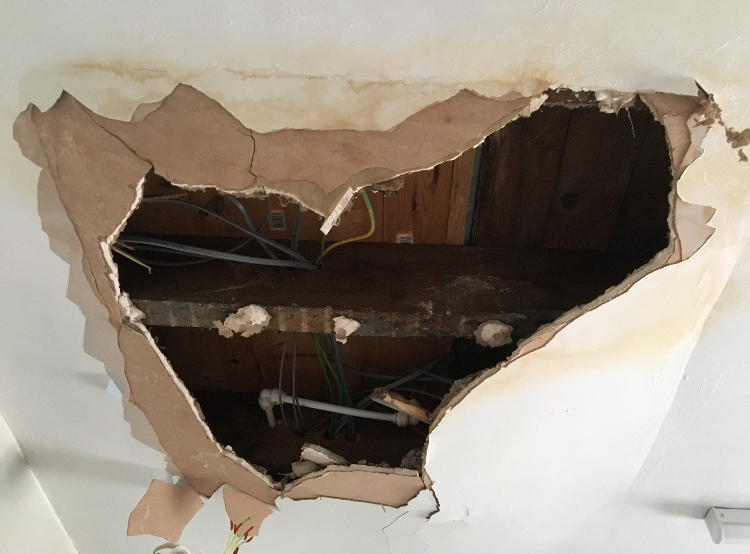
There is some magic law of Landlord Land, that across the portfolio, things never go wrong in isolation. Maintenance issues never arise on their own, one thing at a time – they get shy about making theirselves known, and talk to their naughty issue mates, so that magically there’s always a couple of things that happen together. Nowt happens for ages, and then suddenly a boiler will break, some wretch will fire an air rifle pellet at a window and then a ceiling will cave in from a floor leak upstairs. All at once.
This is some sort of evil maintenance Sod’s law!
So prepare for this multi-chaos, it’s very stressful, and painful to the wallet.
TENANT ARE YOUR CUSTOMERS
Without tenants, you have no customers and so they should be treated politely and fairly, if you expect the same treatment in return.
Why wouldn’t you look after them if you want them to remain in your house, looking after it, and paying rent?!
It boils my blood to hear about wretch landlords who don’t look after their tenants.
I’ve just taken a family on whose previous residence was black with mould: the landlord did nothing and the kiddy has asthma.
Not fair, not acceptable, and whilst I admit I’m far from perfect, at least I’m trying to do a good job. These landlord wretches are making us good landlords look bad!
5. YOU SHOULD BE HAPPY TO LIVE IN YOUR OWN HOUSES
If I wouldn’t live in certain conditions, I don’t expect my tenants to. This applies to safety features, decor, everything.
Several times after a refurbishment I’ve said: this is better than my own house! (and usually much bigger!)
Be thinking: is this acceptable? How can I make it better?
Be responsible and ethical.
Accidents don’t just happen, they are caused – by negligence. Minimise risk for the tenants. Ask yourself what’s the worse that could happen if I don’t resolve this issue?
And my big conscience pricking thought is always “Ooooh, what if this happens and it hurts the kiddy?!”
I wouldn’t be able to live with myself, and I like to sleep at night: so do the right thing.
FIX MAINTENANCE ISSUES QUICKLY
If an issue arises, it doesn’t go away!
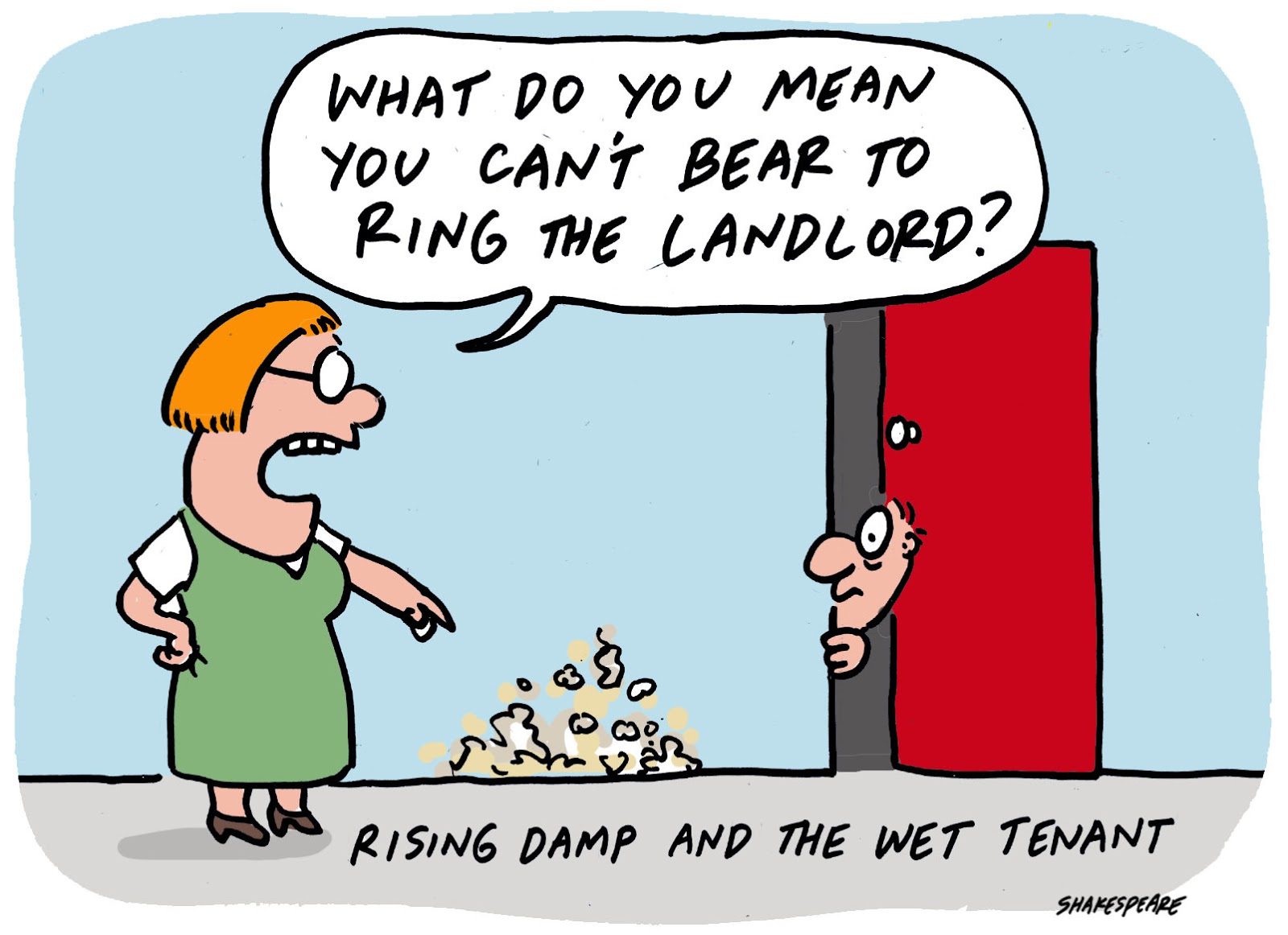
In a lot of cases, they get worse if you don’t deal with them, so fix issues quickly. Once a tenant started getting damp in flat from a leak on the balcony, and reported it to the letting agent – who did nothing, least of all inform me.
By the time the tenant got fed up and decided to complain to me directly, after about 8 months, the issue had gotten much worse. A great deal of damp mould had developed over that time, and it cost me much more to put it right than it would have done if the agents had told me when they should have done. Ballbags.
Lessons to be learned from this: encourage tenants to highlight issues early. Some don’t, bafflingly, for fear you’ll get annoyed with them (!!)
One crazy example that still bewilders me is this: On an inspection, the tenant let me in the side door telling me it was because the front door had stopped opening a couple of months earlier. Hence my horror: “Why didn’t you tell me? How will you get out if there’s a fire? You’re eight months’ pregnant!!”
I have a conscience, but through no fault of my own, if all had gone horrendously wrong, I could have ended up in jail…
Another lesson – inspect the property yourself frequently to check all is well.
GET THE PAPERWORK RIGHT
Do the paperwork documents properly and professionally. They protect you if anything goes wrong. And if you don’t know what to do, learn!
Things to consider:
· Assured Shorthold Tenancy Agreement
· Right to Rent Checks
· Credit Checks and Referencing
· Inventory of the property
· Copy of the Government’s ‘How to Rent’ Guide
· A Gas Safety Certificate
· The electricity and gas meter readings
· Information about Government-approved Tenancy Deposit Scheme.
· Tenancy Deposit Registration
· Energy Performance Certificate
· Electrical Inspection Record
· Contact Details for the Landlord
· Smoke alarms and carbon monoxide alarm checks
· Rent collection details
· Deed of Surrender at the end of a tenancy
REMEMBER THAT BOTH TENANTS AND LANDLORDS ARE HUMANS
Because we are people, things sometimes happen in our lives that are not great.
Be understanding – but not a mug.
Learn the difference between someone who is having genuine hardship issues and work with them to come up with a solution.
If you encourage them to always be honest with you when an issue arises, you can work through it together. An example of this might be: “My boss has had a payroll problem and my wage hasn’t gone in yet, sorry, my rent will be a few days late.”
I am fine when people are honest with me and tell me that they are working their way to a solution. As long as it doesn’t happen too often!
However, on the other hand, some people are just full of bullshit.
Some tenants tell you outright lies that would make Pinocchio blush. Work out when someone is just trying to take the piss out of you. Then deal with them appropriately!
And remember: people treat you exactly how you allow them to.
I remember one time, the aforementioned debt tenants (sourced by those pesky letting agents!), both working, and both on a couple of packs of expensive cigarettes a day, said me that they were struggling to afford the rent – so would I reduce the rent by £100 a month?!
What?!
Are you joking?
Would my own mortgage company accept that cheeky proposal?
Like a broken bit of rope: I’m a frayed knot.
I’m not a charity, and I have my own bills to pay.
So although they were nice people, they had to move somewhere more affordable. And their many debt chasing letters still go to the house now, several years later.
Sad, but you’re not responsible for the way other people conduct their affairs. So don’t be a mug about it!
9. BE CLEAR TO TENANTS ON EXPECTATIONS
Tenants have a wide, varying spectrum of opinions on what is ‘acceptable’ – in terms of cleanliness, behaviour, and especially at the end of a tenancy “returning the property back in a lettable state”. Give them clear guidelines of what is expected and what is not tolerated.
My most recent example is on a tenant changeover. I did indeed give them a list of what was required, including a requirement to have it professionally cleaned. (which they ignored!)
They had cleared the house, but not cleaned it; it was filthy, but worse of all stank throughout. I had to say to her: “I can’t rent it out like that, the whole house stinks of dog piss!”. And she replied “Ohhh, I thought you’d say that…” REALLY?!?!!
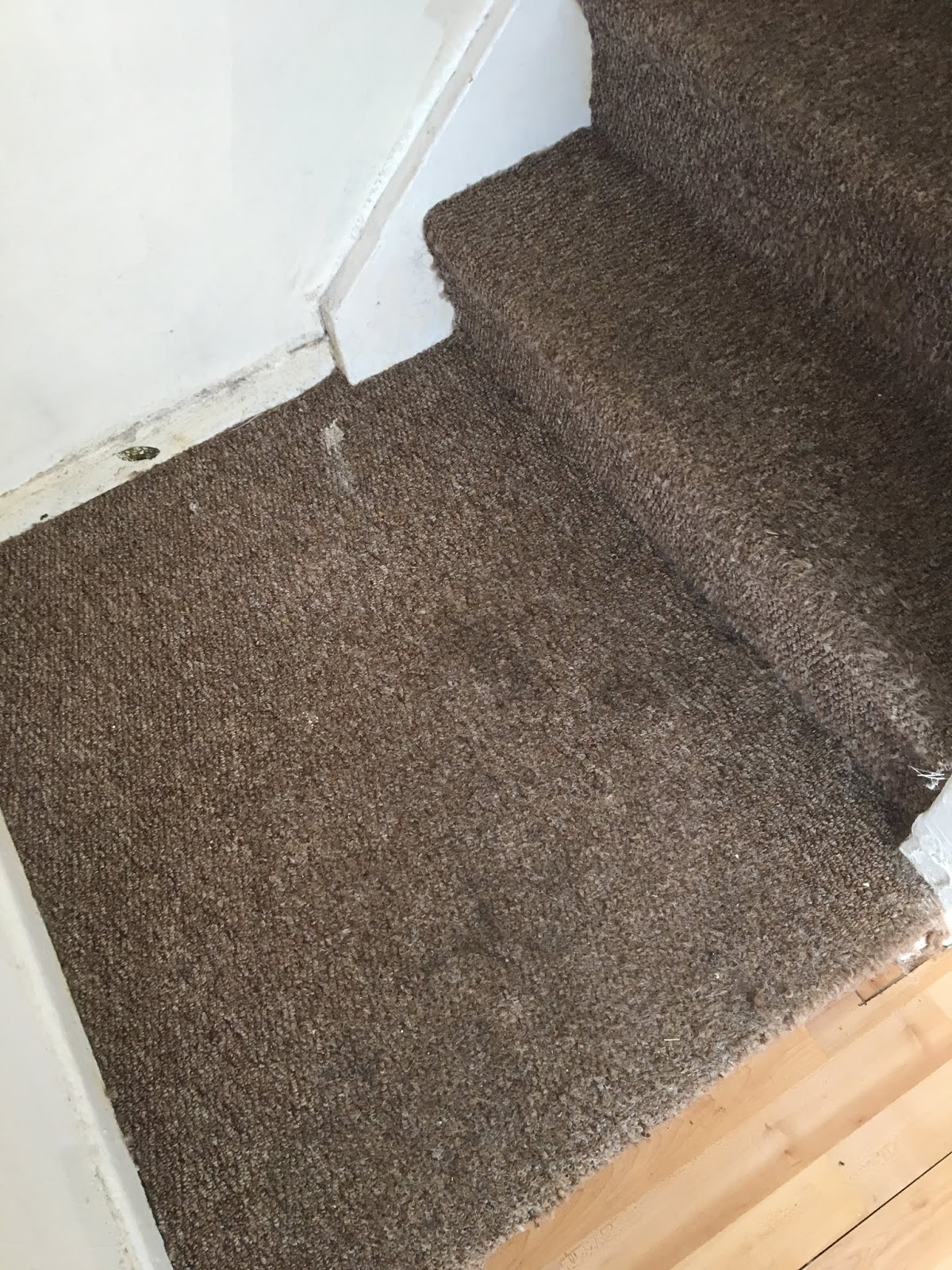
A neighbour informed us why, after they left: apparently they had had several dogs instead of the one they were allowed. Thus every floor covering, pristinely laid brand at the beginning of the tenancy 3.5 years earlier, had to be ripped up and replaced. All the house had to be scrubbed and repainted.
Tenant deposit, which they most definitely did not get back: £650.
Total cost to myself to put house back to a lettable state: £1069.01.
Lessons learned, which I have since implemented:
– Don’t leave a landlord inspection more than a year! There was only one dog there last time I went in!!
– Give standards sheet at beginning of tenancy and when they give their notice. Remind them it needs to be exactly how it was when they moved in.
– Note on inventory smell of rooms, plus condition of items, ie brand new/ installed May etc.
– Do a video tour inventory as well – difficult to dispute something they see on screen. Send them this when they hand in their notice.
– Take a larger deposit!
THE BEST THING ABOUT BEING A LANDLORD?
You genuinely have the power to improve someone else’s life by providing them with a home.
There’s no better feeling for me than handing someone keys to their new home when they previously had nowhere.
You are enabling them to have a stabilising factor in making their life better.
So despite all the chaos, paperwork, stress, maintenance, costs, and occasional tenant issues, there’s a very good reason that I, and many other landlords do this line of work.
We’re helping people!
Kellyann specialises in giving great returns to private investors through property investment.
Well landlords and property investors, just in case you missed the new Government legislation that came into force this year, here is what you need to know!
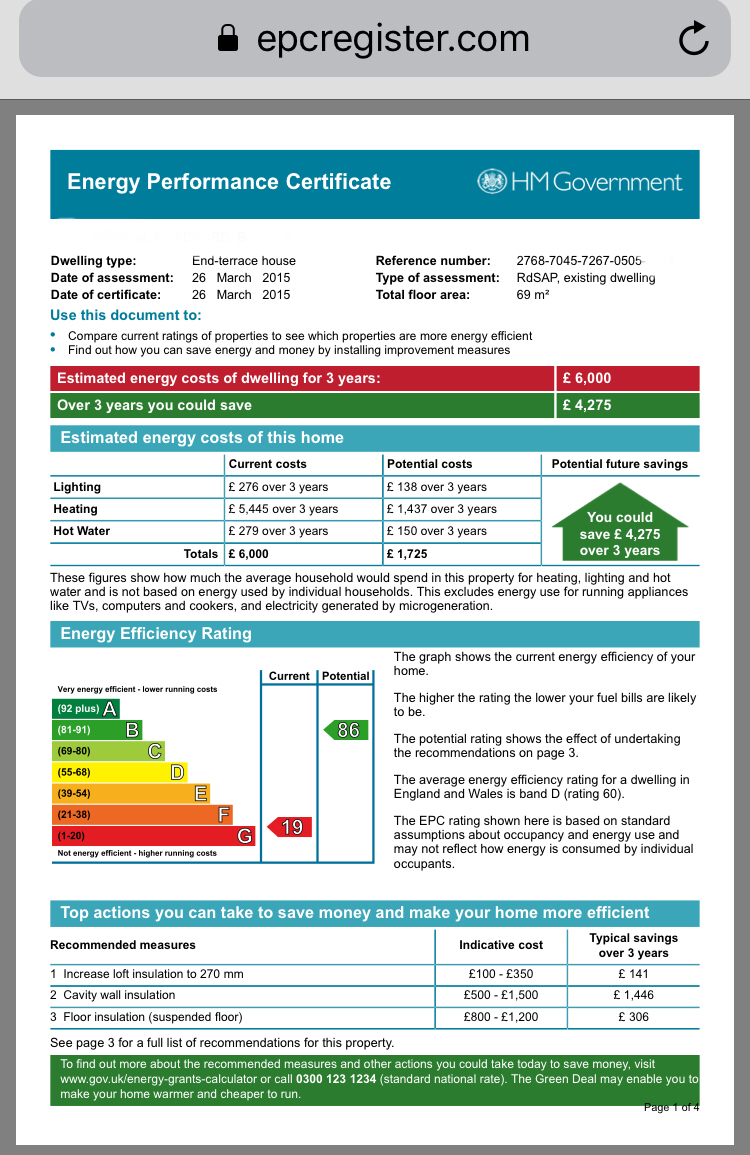
“From April 2018, landlords of privately rented domestic and non-domestic property in England or Wales must ensure that their properties reach at least an Energy Performance Certificate (EPC) rating of E before granting a new tenancy to new or existing tenants.”
So if you’ve bought a old grotbox to do up; a house that hasn’t been touched or updated for years, the likelihood is that it won’t meet the criteria needed.
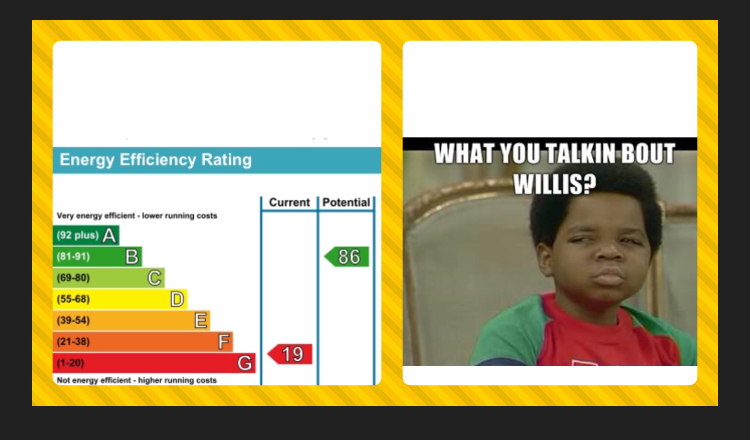
This was the case with my recent project; when I bought it, it was rated at Energy Efficiency Rating G, therefore making it illegal to let out.
Now that I’ve had various works done to it – full rewire and energy efficient lighting, brand new combi boiler and central heating with thermostatic system and heat control valves, amongst a host of other things – it meets the criteria.
But that doesn’t matter a jot if your new updated rating isn’t listed on the national EPC register! No certificate, no point!
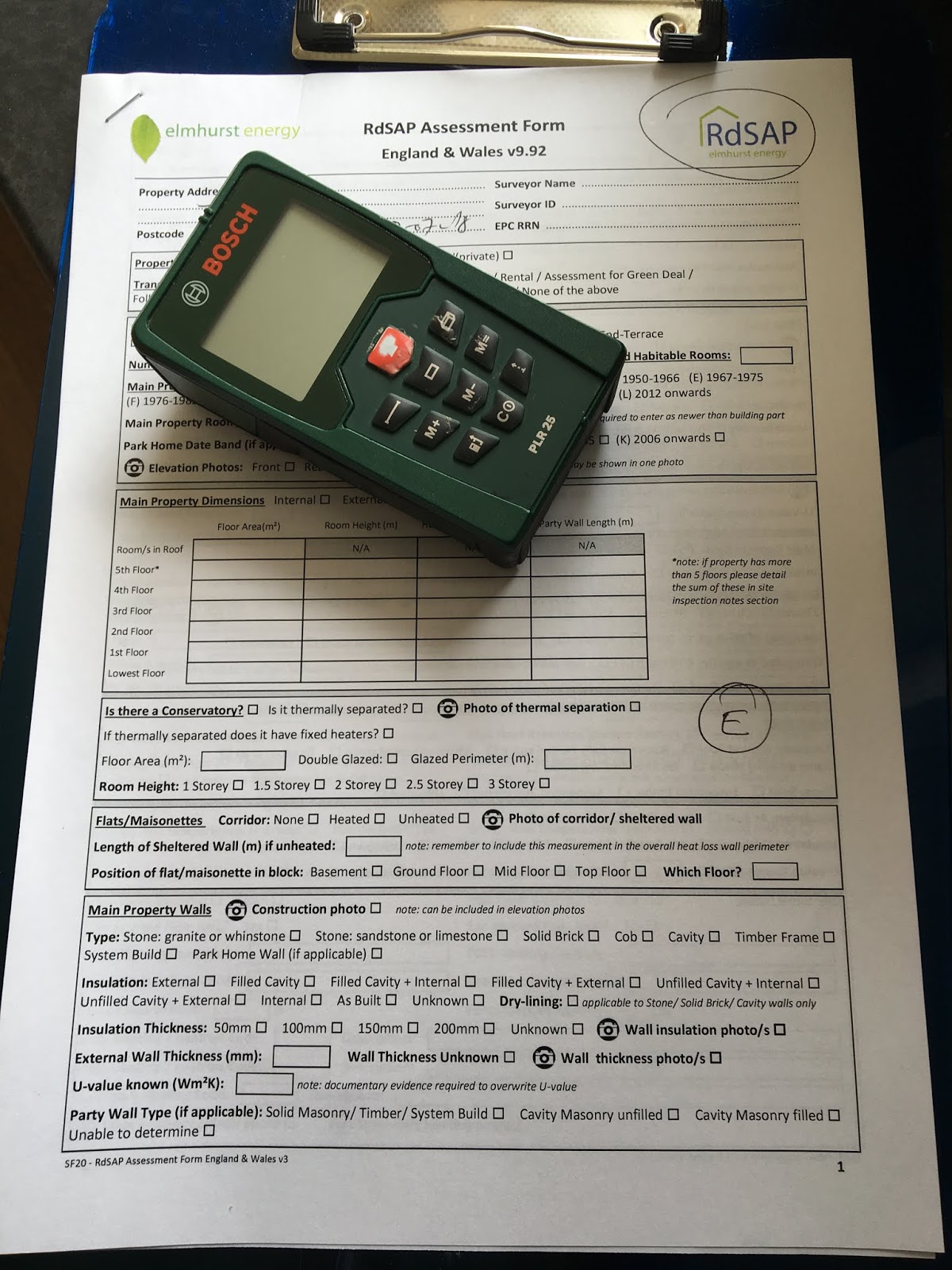
So yes, you’ve to pay a domestic energy assessor to come out to your house, check what you’ve changed, and then they’ll prepare you a new EPC and put it on the online database.
And this is exactly what happened at my project today, so I thought I’d share some insights to help you with yours.
1.) Know beforehand what the assessor is likely to be looking for, by…
2.) …acquainting yourself with the http://www.epcregister.com online. It’s free, and you can nosy at the majority of properties in England and Wales by postcode.
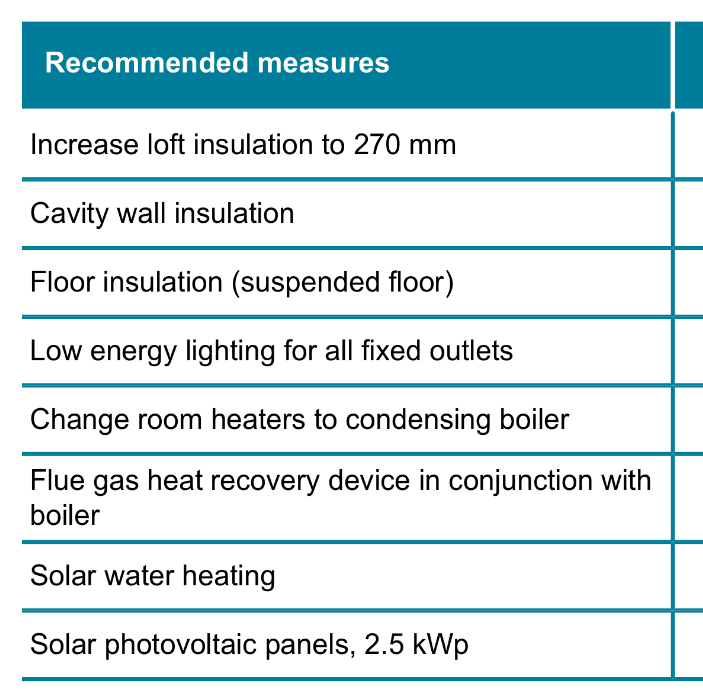
3.) Usually there is an old EPC telling you recommendations of what to do to improve the rating. Simply do these within your refurb!
There are a few things to consider which are generally applicable to all properties, the list is here…
4.) Once all the works are complete, book your EPC assessor. Many can be found online locally, so shop around (today’s price for a 3-bed house was £39)
5.) Make sure your chosen assessor is approved, they should be able to tell you their EES membership number.
6.) Remember, to legally let out a residential property, the house must be rated as a minimum of E. You will get in bother if they are F or G! Don’t panic though, if they are, you are currently still allowed to rent them out, but only on the basis that they started their tenancy before the new rules came into force in April 2018.
So if you need to upgrade, you can wait until:
a) there’s a changeover in tenants and you get new ones
b) your current tenants sign a new tenancy
c) or there’s a change in Government policy!
You can’t avoid it forever though, and why would you? Sort your houses out so they’re legal!
7.) Give your tenants the new Energy Performance Certificate, a tangible paper copy (and get them to sign to say they’ve received it!), and email a copy to them as well. as evidence of a paper trail audit. Because if the tenancy all goes horribly wrong, if you haven’t give them an EPC beforehand, you won’t be able to start the procedure to evict them!
So there we go, a brief overview to being street legal with regards to energy efficiency – Enjoy your energy!!!
If you’re local to Leeds/Bradford, here is the lovely chap I used today, and Adnan is happy for me to let you know about him.
To find out more about my work, please feel free to visit my website at www.kellyannmartin.co.uk
Skip to it! Sometimes there’s just too much junk to take down to the tip! So what do we do?
I’ll tell you now: We go and book a skip!(I’m a poet and I know it!)
Dilemmas with a skip:– Will it all go in?- What if it’s overfilled and they won’t take it?- Or worse, it’ll cost me a surcharge for being overfilled?!- What if some wretch dumps their junk in it before I’ve filled it with mine?
Here’s some top tips on the best way to pack or fill a skip, so you don’t have gaping holes wasting space (and money!)
1. Before the skip arrives, prepare everything you want to go in it in one place. Then you can see everything at once, which will make it easier for sorting a sequence of item placement…
2. As soon as your skip arrives, get cracking! Or someone else will fill it for you…Start with your flat items first, cupboard doors, worktop etc. But don’t just whang stuff in willy-nilly, lay them down neatly in the bottom of the skip in a lovely pile, OCD-style. We’re making a tightly-packed skip, like the world’s best jigsaw puzzle – every gap must be filled!
3. Put your old bath in the bottom, then fill this neatly with wood, and broken tiles. Smashed tile rubbish debris can also be used to fill in any small gaps that occur as you go.
4. Break down as much as you can into flat pieces, ie kitchen units, cupboards, table. A hammer will help with this, and it is good therapy to smash stuff up and not get arrested for it! Lay your smaller flat pieces down, making sure nothing sticks up above the skip fill level.
5. Folding old carpets means there is too much bulk and space taken up. Use a Stanley knife to cut the carpets into smaller sections, and then either roll each section up tightly, or lay the pieces flat on top of each other. Ditto with old underlay underlay, arriba! Save one ‘skip sized piece’ of carpet / similar to put on top of the entire skip.
6. Continue filling, neatly, methodically, with an obsession for filling out every gap. You’re paying for all that air space left in the skip otherwise, so get your fill and get your money’s worth. Woe betide if you have to book another skip! Squash everything down as you go.
7. Once full, ideally not sticking up above the skip level, use your last carpet piece to cover the entire contents. This stops things blowing out or falling out and looks super-neat. Yay!
8. Ring the skip company immediately to say it’s level and full, come and pick it up asap please! Otherwise you will find that magically overnight, some lovely neighbour may do a dump-and-run of their own random junk on top of your lovely neat skip, and then suddenly your full skip will be overfull. So get rid of it as soon as you can, because rubbish attracts more rubbish! Can’t believe I forgot to take a picture before the last carpet went on! My OCD took on a frenzy! Just take it from me that it was IMMACULATELY packed underneath, like pencils in a tin.
And that’s it! Congratulate yourself on safely and responsibly getting rid of waste, and reward yoursen with a sandwich.
Skip-a-dee-doo-dah!!
One last bit of help: Things you can’t put in a skip:
(I’d like to add corpses to this list as well… ) Thanks for reading!
If you’d like to know more about investing in property, please visit my website at www.kellyannmartin.co.uk Best wishes, and take care,



 Me giving a little talk to new property investors, sharing some key nuggets of helpful wisdom!